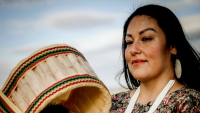
Honoring Native Heritage, Supporting Families, Communities and Tribes
Each November, Native American Heritage Month offers an opportunity to honor the rich histories, cultures and contributions of Native Americans while celebrating the leadership, knowledge and traditions that continue to shape Tribal communities today.
The month also reminds us of the importance of honoring Native heritage, respecting Tribal sovereignty and strengthening Native families and communities throughout the year and for generations to come. At UC Davis Human Services, we support these efforts through meaningful Tribal engagement, professional development services and opportunities for shared learning and understanding. These commitments help guide our work to strengthen human services practice and improve outcomes for children, families and communities.
Honoring Family, Culture and Connection Through ICWA
For many Native children and families involved in the child welfare system, connections to family, community, culture and Tribe are fundamental to identity and belonging.

The Indian Child Welfare Act (ICWA), enacted in 1978, established legal protections that help preserve family and Tribal connections, safeguard cultural identity and uphold the role of Tribal Nations in decisions affecting their children. ICWA is often cited as the "gold standard" of family-centered child welfare practice. Honoring ICWA requires more than legal compliance. It calls for building meaningful relationships with Tribes, respecting Tribal sovereignty and keeping Native families and cultural connections strong.
These principles are reflected in Harmony's journey, from her experiences in the child welfare system to her work advocating for children and families. Her story highlights the importance of kin-first practices and the support that family connections can provide to children and parents navigating difficult circumstances. Her experiences also illustrate the importance of listening to those with lived experience and ensuring that family, culture and community remain central to decisions affecting Native children.
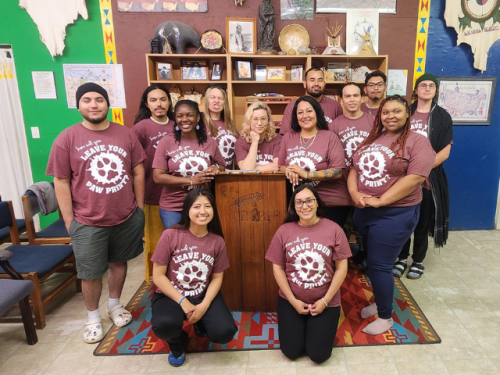
Native child welfare professionals are also helping translate these principles into practice. Shirley “Kippi” Begay, a Native child welfare social worker and Title IV-E alumna who grew up in care, draws from her lived experience to advocate for Native children and families. Through advocacy, mentorship and education, Begay has worked to elevate Native perspectives in social work training, including developing a course focused on the social welfare of American Indian and Alaska Native peoples at CSU San Bernardino.
“Child welfare work is hard," said Begay. "But the thing I’m passionate about—working with Indian families, training social workers, sharing knowledge around ICWA with my peers and the communities I serve—that keeps me going."
Learning from Tribal Leadership and Experience
For Tribal TANF professionals, supporting Native families involves drawing on the knowledge, traditions and strengths of their communities while learning from the experiences of other Tribes. The National Tribal TANF Institute, hosted by UC Davis Human Services Tribal Programs, brings together Tribal TANF professionals from across the nation each year to exchange knowledge, strengthen relationships and explore culturally grounded approaches to supporting Native families.

“Tribal TANF, to me, is community,” said Cheryl Bey, a workforce development case manager and attendee at the 2026 National Tribal TANF Institute. “I get to meet other Tribal case managers from all over the nation, and we get to share.”
For Christie Branaga, a social and family services representative of the Bad River Band of Lake Superior Chippewa Indians, the 2026 Institute offered an opportunity to appreciate the different approaches Tribal Nations take to serving their communities.
“It's very interesting to learn how different Tribes do their TANF versus our Tribe, because everybody's completely different,” she said.
Listening and Acting
That same emphasis on listening and collaboration is essential to ensuring Tribal voices, knowledge and priorities help shape the systems that serve Native children and families.

In October 2026, a System of Care Local Integration Convening, hosted by the Resource Center for Family-Focused Practice at UC Davis Human Services and developed in collaboration with our statewide partners, focused on Tribal inclusion and meaningful engagement.
Informed by listening sessions with Tribes earlier in the year, the convening explored Tribal sovereignty, consultation requirements and practical strategies for strengthening Tribal-county partnerships. The event also provided resources to help professionals incorporate Tribal perspectives and priorities into local systems of care.
Guided by Purpose: Building on Connections and Collaboration
UC Davis Human Services continues to seek opportunities for Tribal voices, knowledge and leadership to shape future learning and collaboration.
The 2027 National Tribal TANF Institute, taking place July 20–22, will build on the connections and shared learning of previous gatherings. With the theme, Guided by Purpose: Supporting Families, Strengthening Communities, the Institute will bring Tribal professionals together to share experiences, strengthen relationships and explore opportunities to support Native families.
Tribal partners are also invited to help shape the 2027 CQI Statewide Conference for Child Welfare and Probation, April 13–15 in Sacramento. Tribal Leadership, Partnership and Indigenous CQI is among the conference's priority workshop areas, with proposals led or co-led by Tribal leaders and professionals especially encouraged. Workshop proposals are due Nov. 27, 2026.
This Native American Heritage Month, we celebrate the leadership, cultures and contributions of Native peoples and Tribal Nations—and the importance of honoring those strengths throughout the year. From the advocacy of Harmony and Kippi to the knowledge shared by Tribal TANF professionals and the perspectives shaping Tribal-county partnerships, we're reminded that meaningful progress begins with listening, learning and working together to build a stronger future for Native children, families and communities.
Additional Resources
Explore these resources to learn more about the programs and stories featured in this article, as well as Tribal engagement, ICWA and professional development opportunities supporting Native families and communities.

Tribal Programs
UC Davis Human Services offers Tribal TANF professional and organizational development to help Tribes build staff skills, deliver culturally responsive services and strengthen families and communities. Training and services incorporate cultural values and principles specific to the Tribal communities served.

Tribal Engagement and ICWA Resources
This site supports professionals, partners and communities in strengthening relationships with Tribes and advancing the spirit and intent of ICWA through meaningful engagement that goes beyond compliance.
Harmony's Story
Watch the Video
This video about Harmony and her two children sheds light on the importance of placing families first through kin-first practices in child welfare, as well as the positive impact of ICWA on Tribal families.
Read the Article
Revisiting Harmony's Story: How Her Journey With Kin-First and ICWA Is Coming Full Circle provides a recent update on Harmony's journey and how she has drawn on her lived experience to advocate for Native children, families and stronger child welfare practices.